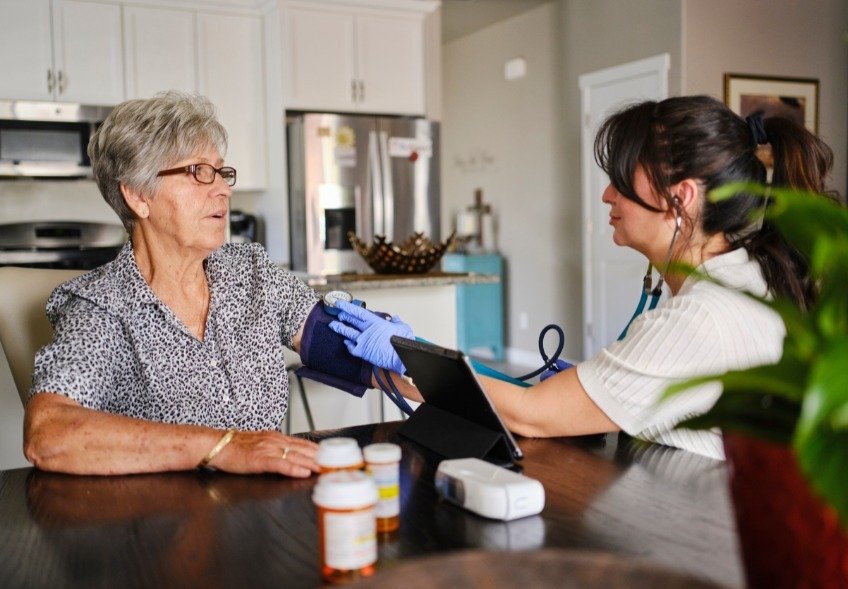
The Shift Toward Aging in Place
As seniors consider their long-term care options, many prefer to remain in their homes rather than transition into a nursing home or assisted living facility. Aging in place allows them to maintain their independence, stay in a familiar environment, and receive personalized care on their terms.
However, the costs associated with home care—including in-home nursing, personal care aides, and home modifications—can be substantial. Many seniors and their families struggle to find sustainable ways to pay for these services without depleting retirement savings or becoming financially strained.
A reverse mortgage offers a practical solution by allowing seniors to leverage their home equity to fund assisted living services at home, providing financial stability while preserving their quality of life.
How Reverse Mortgages Work
A Home Equity Conversion Mortgage (HECM) is a government-insured loan
available to homeowners aged 62 and older. It allows them to convert a portion of their home equity into tax-free cash while still living in their home. Unlike traditional mortgages, reverse mortgages do not require monthly payments—the loan is repaid only when the homeowner sells the home, moves out permanently, or passes away.
available to homeowners aged 62 and older. It allows them to convert a portion of their home equity into tax-free cash while still living in their home. Unlike traditional mortgages, reverse mortgages do not require monthly payments—the loan is repaid only when the homeowner sells the home, moves out permanently, or passes away.
For seniors who want to remain in their homes but require assistance, a reverse mortgage can provide the necessary funds to cover care-related expenses without adding a financial burden.
Using Reverse Mortgage Proceeds to Fund Assisted Living at Home
A reverse mortgage gives seniors financial flexibility by providing funds that can be used for:
Hiring Home Care Services – Seniors can use the loan proceeds to pay for caregivers, nurses, and other professionals who assist with daily activities such as dressing, bathing, meal preparation, and medication management.
Modifying the Home for Accessibility – Many homes require modifications such as grab bars, wheelchair ramps, stairlifts, and walk-in tubs to accommodate mobility limitations and ensure safety.
Covering Medical and Long-Term Care Costs – A reverse mortgage can help pay for medical treatments, therapies, or ongoing healthcare services that insurance or Medicare may not fully cover.
Modifying the Home for Accessibility – Many homes require modifications such as grab bars, wheelchair ramps, stairlifts, and walk-in tubs to accommodate mobility limitations and ensure safety.
Covering Medical and Long-Term Care Costs – A reverse mortgage can help pay for medical treatments, therapies, or ongoing healthcare services that insurance or Medicare may not fully cover.
How Assisted Living Facilities Can Benefit from Reverse Mortgages
While assisted living facilities provide excellent care and community- based support, some seniors may not be financially prepared to transition into a facility full-time. Reverse mortgages can serve as a bridge, allowing them to afford in-home care until they are ready—or able—to make the move.
By educating seniors and their families about this financial tool, assisted living facilities can:
Help prospective residents afford care sooner – Some seniors delay moving into an assisted living facility due to financial constraints. A reverse mortgage can provide the necessary funds to cover initial costs or long-term expenses.
Increase occupancy rates – Many facilities face challenges with potential residents who cannot afford the move-in fees or ongoing costs. Reverse mortgages can remove financial barriers, allowing more seniors to access the care they need.
Expand financial options for families – Adult children often struggle with the decision of how to pay for their parents' care. Knowing that a reverse mortgage is an option can alleviate stress and provide a viable solution.
Increase occupancy rates – Many facilities face challenges with potential residents who cannot afford the move-in fees or ongoing costs. Reverse mortgages can remove financial barriers, allowing more seniors to access the care they need.
Expand financial options for families – Adult children often struggle with the decision of how to pay for their parents' care. Knowing that a reverse mortgage is an option can alleviate stress and provide a viable solution.
A Collaborative Approach to Senior Care
Reverse mortgages are an underutilized tool that can help seniors maintain their independence while receiving the care they need. Assisted living facilities and in-home care providers can play a key role in educating families about this option, ensuring that financial barriers do not prevent seniors from accessing quality care.